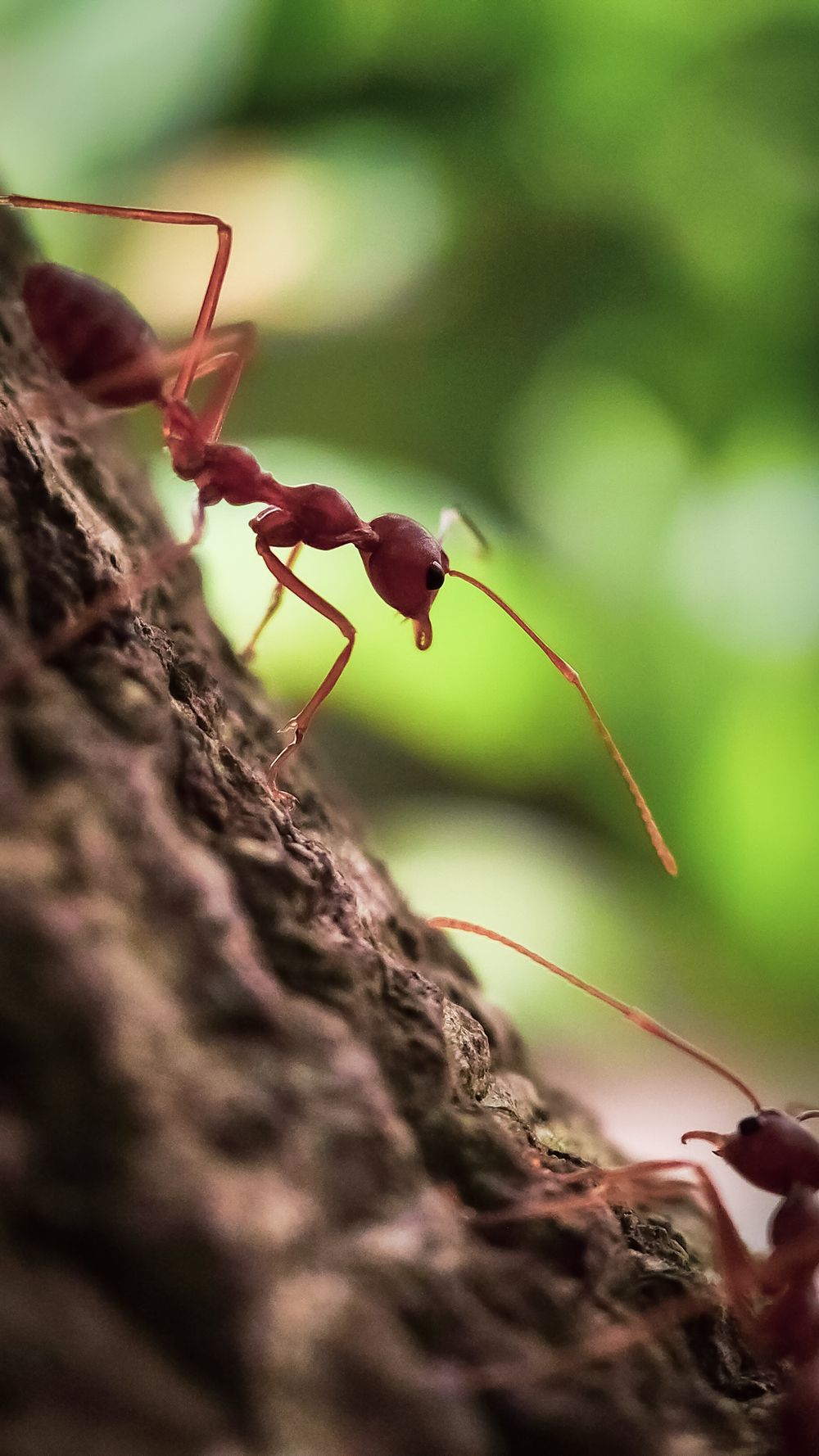
Not all ants want the same thing — and that is exactly why one spray never fits all. The three species we treat most often behave so differently that misidentification is the number-one reason DIY efforts fail.
1. Odorous house ants
Tiny brown ants trailing to sweets, smelling faintly of coconut when crushed. They nest in wall voids and under appliances, and spraying them causes the colony to "bud" into several nests. Baiting — not spraying — is the fix, paired with sealing the entry cracks they march through.
2. Carpenter ants
Large black ants, often spotted at night near windows and decks. They don't eat wood — they excavate damp wood to nest in it. Sawdust-like frass below a window frame is the giveaway. Treatment means finding the parent nest, fixing the moisture that attracted it, and dusting the void.
3. Pavement ants
The sidewalk-crack ants that push little soil volcanoes onto patios and slip under sliding doors. Outdoor bait stations plus a foundation barrier usually end them in one visit.
Prevention that works for all three
Store pantry goods in sealed containers, fix dripping outdoor spigots, trim branches touching the house, and keep firewood off the ground and away from walls. Do those four things and most colonies never get started.
Trails in your kitchen right now? Don't spray — call and we'll trace them free.
Ant Control